
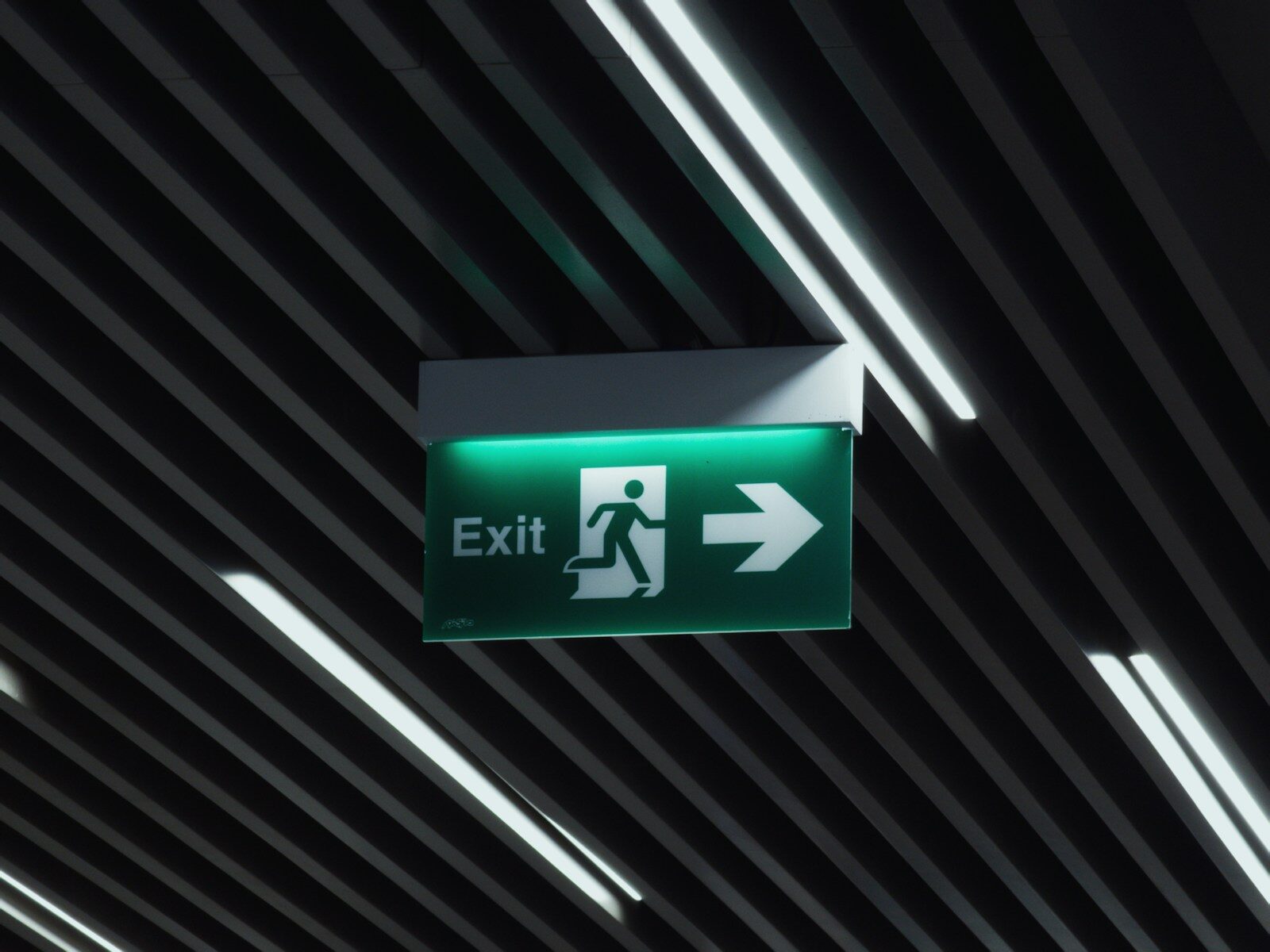
I was in the grocery store the other day systematically checking things off my list and indulging in a few things that were on sale. I was almost done shopping, I just needed to check out, when a high pitched wailing sound started all around me. It took my brain a few seconds to recognize it as a fire alarm.
I was in the back of the store at the time. Quickly looking around, I didn’t see anyone headed toward the entrance. I saw a store worker, he was still just restocking the meat area. None of the shoppers were reacting.
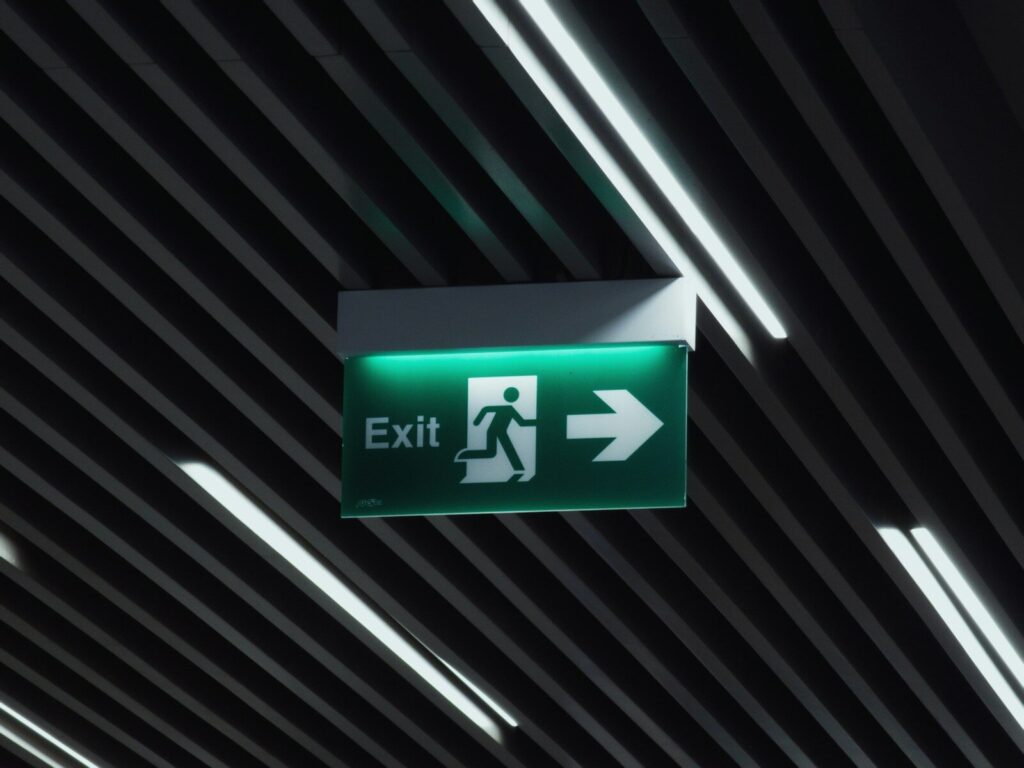
What would you do if the fire alarm started going off while you were in a public place?
I turned my cart down the first row near me and calmly walked to the self checkout area. By then, workers were yelling for people to evacuate. I parked my cart and left out the front entrance with the few dozen other shoppers and staff.
Standing outside in the 25 minutes it took for the fire department to show up to turn off the alarm, several shoppers said to the grocery store staff, “Just let us in, you know it’s not a fire.” The manager just kept saying, “I can’t let you back in.” To which people would sigh, turn around, and go to their cars.
My friend who used to work at a grocery store said their store didn’t evacuate when the alarm went off because they knew it was a specific fire exit door that would get accidentally pushed. They’d just keep doing their jobs and the shoppers wouldn’t leave.
Training your brain not to react
By ignoring a fire alarm, you are training your brain to NOT react to emergencies. By not leaving the building, you are training yourself to not recognize when a real emergency is happening.
I have made a conscious decision to always leave a space if the fire alarm goes off. I used to work in a place where the fire alarm went off all the time due to some glitch or dirt getting in the sensors. The first time the alarm went off after I started working there, I grabbed my stuff to leave but none of my coworkers were moving. “What’s going on? Shouldn’t we evacuate?” I asked my colleagues across the hall. They explained it was “always” a false alarm, and they never left their desks except maybe to look out the window when the fire truck arrived.
Feeling strange, I grabbed my cell phone and left my office. I went down the stairs to the front entrance and stood outside. Every alarm after while I was at that job, I did the same thing. I stood up and calmly left the building while all my other colleagues kept working.
If you think every alarm is a false alarm, how do you know when there’s a real one?
How do you react when there are emergency alarms in your work or public places? Do you respond immediately or do you ignore it to keep with your task at hand?
It’s natural for humans to follow what other people are doing. We must recognize that this might not always serve to keep us as safe as we could be. Everyone in that grocery store was reacting in the same way as everyone else, and the shoppers who kept on shopping were taking their cues from the staff who kept on working.
Train yourself and your staff in emergency preparedness by immediately and adequately respond to emergency alarms
If you are a business owner or manage a library, store, rec center, or other public or private space, review how your staff responds to fire alarms and other emergency preparedness procedures. Do they know what to do? Do they know what their role is regarding helping the public, guests, and other staff members evacuate? Do they have areas to sweep to make sure no one remains in the building? Do they have roles as far as alerting authorities, helping people to safety, and keeping people together? Has your staff practiced evacuation procedures?
We Are Safer Together specializes in helping businesses and organizations figure out their safety plans, train in trauma-informed and realistic scenarios, and create comprehensive systems to respond in safe and adequate ways. Contact us if you want to discuss partnering with We Are Safer Together for your emergency preparedness needs.





Leave a Reply