When most people picture self-defense, the first image is typically of some able-bodied person practicing a martial art. Often, they think that learning self-defense means men teaching women. The dominant discord surrounding self-defense is that of powerful, “expert” men bestowing knowledge onto women who, seemingly without them, wouldn’t be able to defend themselves.
Self-Defense is More Than Physical Skills
However, people frequently don’t think of all of the ways that underserved communities have defended themselves and protected their members. People who experience violence always have had ways to keep safe – it didn’t just start when men started bestowing their knowledge on them. Self-defense is in the ways people advocate for themselves and their rights; the ways that they set up support networks for food/clothing/shelter when those aren’t accessible; it’s in the ways that we learn to ask for help; and in the ways we build communities that we know we can rely on. Self-defense is more expansive than any of us think. And yet, the wide view on what “self-defense” means exists in a limited and prescribed space, largely due to the people who claim to have the most “self-defense knowledge”.
The Problem With “Safety Rules”
Therein lies the problem, the dominant paradigm is that people with a lot of perceived power have been telling those with less power who gets to be safe and how they get to be safe. This leads our brains to become riddled with “rules” dictating what safety looks like. So many of us have heard variations on the, “They were asking for it” phrase, but we know it really means, “They didn’t obey the rules, so they didn’t deserve safety.”
I know the “safety rules” like the back of my hand: Don’t wear revealing clothing, don’t go out alone at night, don’t wear headphones in public, don’t talk back. To take it a step further, our culture has other rules, rules that say people shouldn’t act in certain ways if they are a person of color, LGBTQIA, have a disability, are a senior, are experiencing homelessness, etc. How do we protect the humanity and the right to safety for everyone in our society, including and especially marginalized people?
Behavioral norms for keeping safe not only tell people what they can’t do, but tell people what they should do. They should always smile (and be nice), always carry a gun/pepper spray, always walk with their keys in between their fingers, always throw someone to the ground and pin them if attacked…
In reality, there is no one size fits all strategy that works for every individual and every situation. We cannot guarantee that strategies will always be applicable, appropriate, or accessible in every single situation for every person. And when we restrict people to what they should do, we restrict the full life that expands beyond what fits into society’s “rules”.
Teach People, Not Just Techniques
This is what happens when self-defense instructors get more caught up in teaching strategies and techniques, rather than in teaching people and communities. Instructors get locked into certain strategies, don’t take diverse lived experiences into mind, and don’t allow themselves to engage curiously with how we can do better. With so many people in our world who don’t feel safe simply because of who they are and how they are perceived, we need to do better.
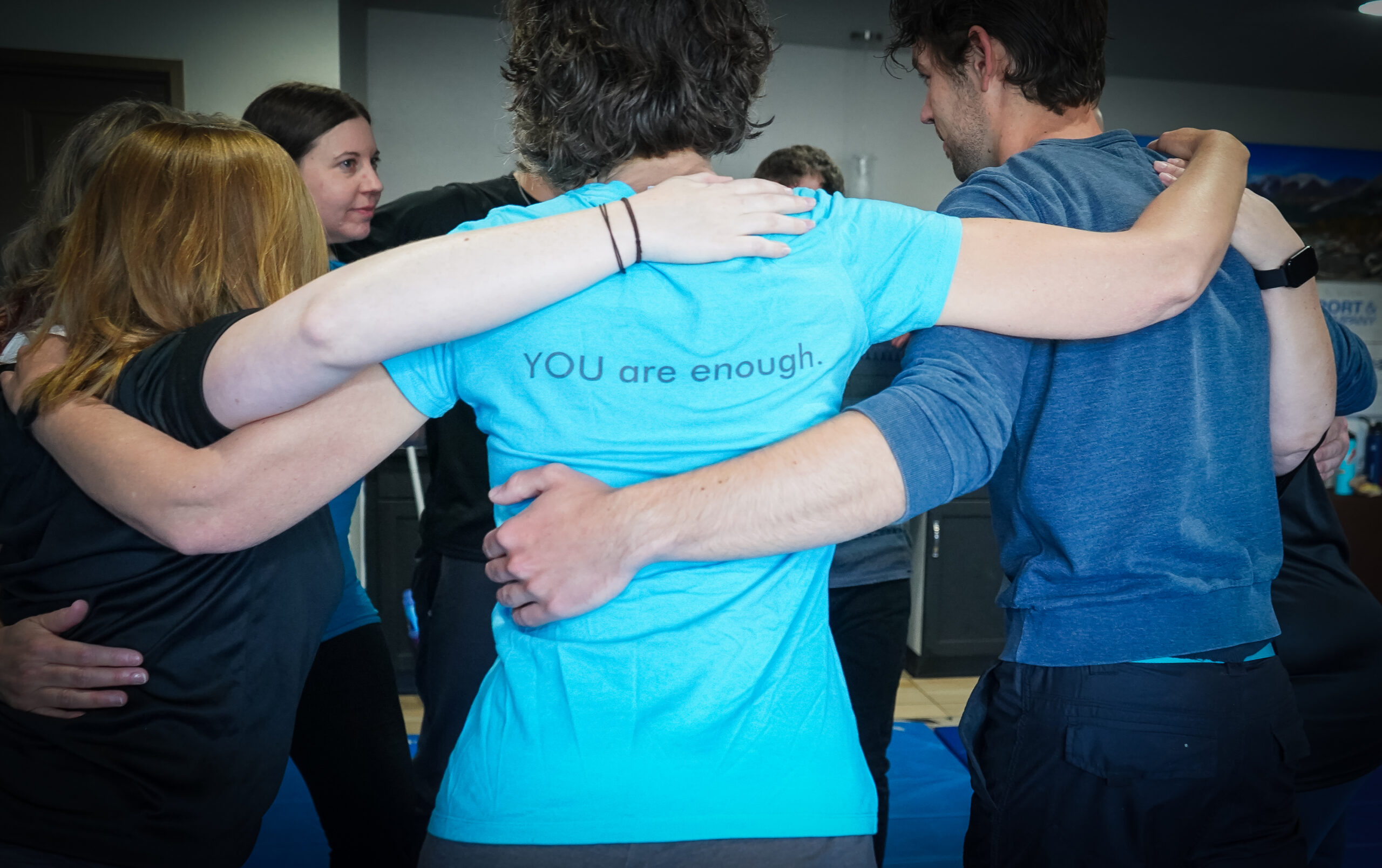
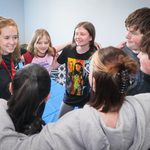
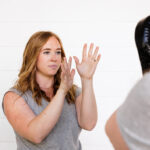
I think we can. My vision is to make self-defense a co-created experience with the people who are living in their fear every day. Rather than being the bestowers of knowledge, we are facilitators with tools to help people reach a deeper level of connection with their power and their own internal guide that can help them navigate the world in an open and safer way. Rather than telling them what they can’t do or should do, we can provide them with lots of tools that they can use in a variety of situations and help foster the confidence and stress management to be able to make effective choices in the moment. We can work with individuals to find what works for them – what solves their need to be safe in their bodies and in our society.
There is Space for Everyone in Self-Defense
People who are survivors, people who may not see themselves represented in this field, people who may be restricting themselves due to very valid fear of violence in the world (in all of the many forms that it shows up) – there is space in this work for you. We are striving to create a space where everyone can feel powerful and confident in their ability to keep themselves and their communities safe, to be a space where people can show up as they are and be supported, where people learn so much more than just physical skills that weren’t designed for everybody in the first place.



Leave a Reply